
Transitional Homes in Los Angeles
- Los Angeles Mental Health Treatment
- Transitional Housing
Located in the serene landscapes of Southern California, The Meadowglade is dedicated to supporting individuals on their journey to mental health recovery with our luxury transitional homes in Los Angeles, away from daily stressors.
Contact us today to begin therapy and find your path to recovery.
Call Us Now
Supportive Living & Transitional Homes in Los Angeles
Located in the serene landscapes of Los Angeles, The Meadowglade is dedicated to supporting individuals on their journey to mental health recovery with our exceptional Transitional Housing program.
Our transitional homes in Los Angeles provide a safe, comfortable environment for those who are ready to reintegrate into daily life while still receiving professional support and structure. Designed to serve clients transitioning from primary care settings like a Partial Hospitalization Program (PHP) or an Intensive Outpatient Program (IOP), our mental health sober living options in Los Angeles offer an ideal setting for gradual, sustainable recovery.
Our Transitional Housing is tailored to ensure residents continue their path to wellness with autonomy and confidence. Here, we blend therapeutic structure with the comforts of home, creating a peaceful retreat where healing flourishes. If you or a loved one is seeking a supportive, engaging environment that fosters personal growth, The Meadowglade’s Transitional Housing is here to meet those needs with the utmost care.
If you or a loved one are struggling, learn more about our Los Angeles mental health treatment programs by verifying your insurance or calling us at (888)-862-1788.
What is Transitional Housing for Mental Health?
Transitional housing, also known as mental health housing or sober living, is a step-down level of care that bridges the gap between intensive treatment and independent living.
After completing inpatient mental health treatment, individuals often face the challenge of re-entering daily life. Transitional Housing provides a safe, semi-structured environment where residents can gradually adjust to everyday responsibilities, such as managing work or school, social relationships, and personal routines.
Unlike residential treatment, Transitional Housing offers more freedom and self-direction, empowering clients to make decisions and experience real-life scenarios within a supportive framework. At The Meadowglade, our transitional homes in Los Angeles emphasizes balance—residents have access to therapy and clinical support while also practicing independence. This balance helps instill the confidence and skills necessary for lasting recovery.
How Our Transitional Homes in Los Angeles Work
Our Transitional Housing program is designed to support clients as they progress through their recovery journey.
By building on the foundations established in our PHP (Partial Hospitalization Program) and IOP (Intensive Outpatient Program), Transitional Housing at The Meadowglade enables individuals to apply the skills they’ve learned in treatment while still benefiting from professional support.
Many of our clients move into Transitional Housing during their time in PHP or IOP, where they can continue their personal development within a nurturing, structured environment.
Partial Hospitalization Program (PHP)
The Meadowglade’s Partial Hospitalization Program (PHP) is an intensive, structured level of care that supports clients during the early stages of recovery.
In PHP, clients participate in a full day of therapeutic programming, which includes individual psychotherapy and group therapy sessions, skill-building workshops, and structured activities that promote healing and personal growth. PHP provides a high level of support, offering clients a safe and supportive environment as they begin their journey toward independence.
For clients in Transitional Housing, PHP offers the advantage of a stable treatment schedule while allowing them to return to a welcoming, sober living environment at the end of each day. This balance of intensive treatment and a structured home environment fosters a smooth transition and ensures that clients feel supported both during and outside of therapy.
Our PHP clients in Transitional Housing benefit from round-the-clock support and a strong therapeutic foundation that prepares them for the next steps in their recovery journey.
Intensive Outpatient Program (IOP)
Our Intensive Outpatient Program (IOP) offers a more flexible, less intensive level of care for clients ready to take on greater independence.
IOP is ideal for those who have progressed beyond PHP but still need structured support to maintain their progress. In IOP, clients participate in several therapeutic sessions each week, tailored to their individual needs and goals. This level of care encourages self-reliance while providing enough support to help clients manage life’s challenges without compromising their recovery.
For those in Transitional Housing, IOP serves as a bridge to daily life, allowing them to balance personal responsibilities such as work, school, or family obligations with ongoing treatment. In IOP, clients gain confidence as they apply their coping skills to real-world situations, all while knowing they have access to a safe and supportive home base in our Transitional Housing.
IOP programs promote resilience and self-discipline, ensuring that clients are well-prepared to continue their journey toward a fulfilling, independent life.

Benefits of Our Transitional Homes in Los Angeles
Transitioning from intensive treatment to everyday life can be overwhelming. Transitional Housing provides the stability and support needed to make that process smoother and more sustainable.
Some of the key benefits of The Meadowglade’s transitional homes in Los Angeles include:
- Structured Independence: Residents practice independence within a safe, supportive environment. This balance of structure and autonomy helps build confidence in handling everyday responsibilities.
- Ongoing Therapeutic Support: While living in Transitional Housing, residents still have access to therapy and clinical support. Whether it’s one-on-one sessions, group therapy, or skill-building workshops, our program ensures that mental health remains a priority.
- Supportive Community: Being surrounded by others on similar recovery paths fosters a sense of camaraderie and mutual support. This community can be invaluable in times of stress or uncertainty.
- Life Skill Development: Transitional Housing provides a space to develop and practice essential life skills. From maintaining routines and managing responsibilities to fostering social connections, residents can apply what they’ve learned in a real-world context.
- Gradual Transition to Daily Life: Moving directly from a structured treatment environment to independent living can be jarring. Transitional Housing offers a gradual step-down approach that enables a smoother transition to everyday responsibilities.
Each of these benefits is designed to help individuals build the resilience and skills needed for long-term recovery. The Meadowglade’s Transitional Housing is not merely a place to live; it’s an opportunity to thrive.
Rules of Transitional Housing + Sober Living
Like most sober living or mental health housing, our transitional homes in Los Angeles have strict rules and expectations for residents, including:
- Zero-tolerance policy for drugs and alcohol: Most supportive housing programs will ask you to leave if you use drugs or alcohol in the home. In addition, you’ll also be held accountable for behavior outside of the home. In other words, if you return home under the influence or are caught using substances inside or outside of the home, you’ll be ineligible to continue living in the residence.
- Helping with household chores: Everyone must pitch in to help with household chores. A housing manager or support staff may assign daily chores. Alternatively, residents may divide chores amongst themselves during house meetings.
- Attending group support meetings: Transitional homes usually have their own group support or recovery meetings. These may include drug and alcohol recovery groups, like Alcoholics Anonymous (AA) or Narcotics Anonymous (NA). Alternatively, they can be supportive meetings for mental health disorders.
- Following a structured routine: Residents in transitional housing programs are expected to follow a structured routine. This often includes set meal times, quiet hours (usually after “lights out”), scheduled recovery meetings, and recreation/free time.
- Respecting curfews: Residents must return to the home by a specific time to not disturb other residents during nighttime hours. However, there may be exceptions for residents working second or third shifts.
- Designated visiting hours: Visitors can come to the program during designated hours and are not allowed to spend the night. While maintaining contact with family and friends is important, the purpose of transitional housing is to focus on improving yourself with minimal distractions.
- Participating in outpatient treatment: Residents must be active in some form of outpatient treatment during their time at our transitional homes in Los Angeles. This can include our partial hospitalization program (PHP) or intensive outpatient program (IOP).
- Progressing toward independent living: Overall, the goal of transitional housing is to transition to independent living. Therefore, residents will need to show that they are making progress toward this goal. This can include working with a case manager to find affordable housing, saving money while working for a housing deposit, or gaining other life skills necessary for successfully living on one’s own.
- Pay necessary expenses: Insurance may cover some of the expenses in transitional housing relating to treatment. However, you may need to cover additional costs, like food, rent, or utilities.
- Limited time away from the transitional home: Residents are not allowed to leave the home unless they are attending medical appointments, going to outpatient treatment, working, or taking classes. You’ll also be limited in your time away to only include the time it takes to complete these activities plus travel time.
- Respect other residents: At all times, residents must respect one another. While conflicts may arise, we expect residents to resolve issues with healthy communication and boundary setting. Support staff and housing managers can help to facilitate conflict resolution among residents.

What to Expect at The Meadowglade?
At The Meadowglade, our Transitional Housing experience is designed to empower each resident with the skills and confidence to manage their mental health while embracing independence.
Here’s what residents can expect:
- Personalized Support: Every individual’s journey is unique, and we provide personalized support to address specific needs, goals, and challenges. Our clinical team collaborates with residents to ensure that their plan aligns with their aspirations and strengths.
- Daily and Weekly Programming: Residents engage in structured activities that include group therapy, mindfulness practices, and wellness programs. These are supplemented by optional therapy sessions and workshops that address various aspects of mental health and self-care.
- Accountability and Autonomy: Our residents are encouraged to set personal goals and practice self-discipline. By maintaining a regular schedule, they learn to balance treatment with real-life responsibilities, an invaluable skill as they transition toward independent living.
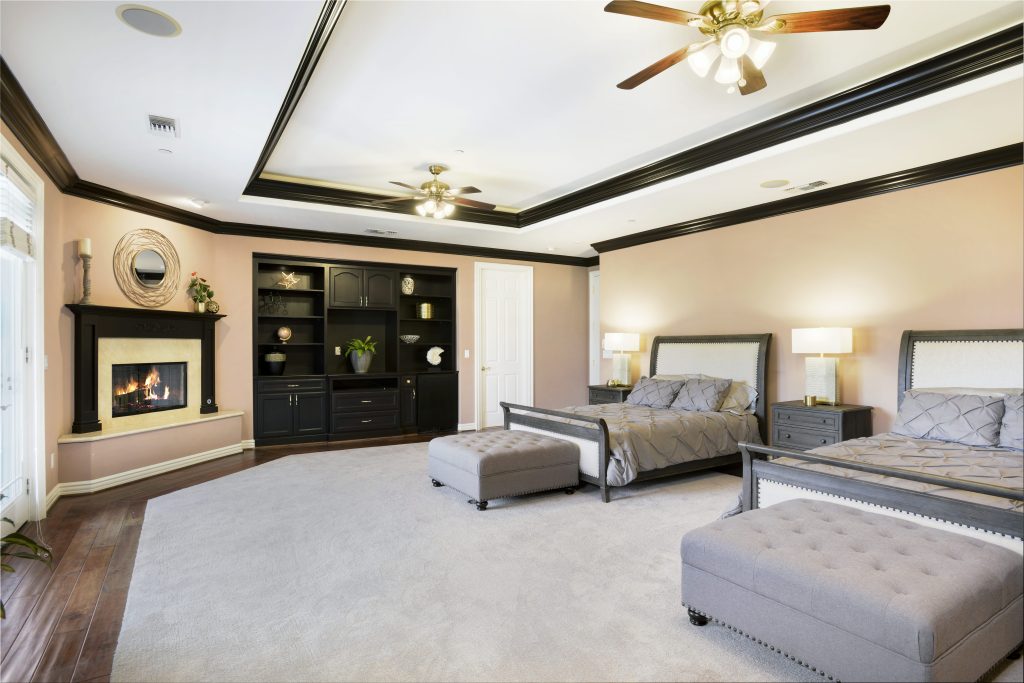
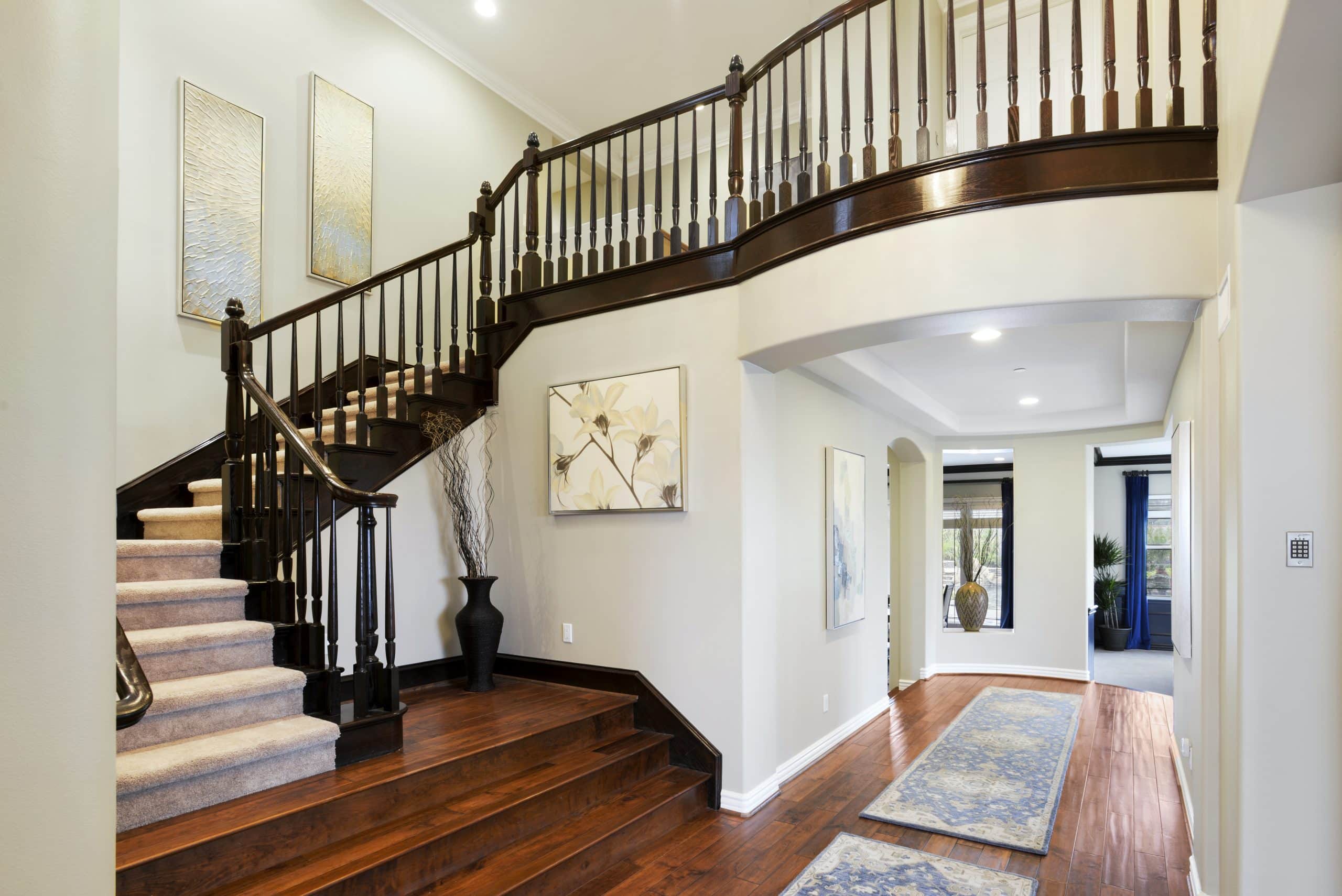
- Amenities and Comfort: The Meadowglade’s Transitional Housing offers premium amenities that enhance comfort and well-being. From spacious living areas to access to wellness facilities, our environment provides a peaceful retreat for continued growth.
- Holistic Wellness Approach: We take a holistic approach to mental health, integrating practices like art therapy, yoga, and nutrition education into the program. Our goal is to nurture each resident’s mind, body, and spirit to foster lasting recovery.
Begin Your Journey with Transitional Homes in Los Angeles Today
Transitional Housing at The Meadowglade provides a unique opportunity to achieve independence while continuing to focus on mental health. Our program offers the support, structure, and community needed to make this crucial transition with confidence and peace of mind. We invite you to explore the possibilities that await at our Transitional Housing program in Los Angeles, where recovery is met with compassion, expertise, and care.
Call us now at 888-272-2062 or verify your insurance.
Our Mental Health Specialists
At The Meadowglade, our team of compassionate and experienced mental health professionals is dedicated to providing comprehensive mental health treatment in Los Angeles. Our multidisciplinary team works collaboratively to offer personalized care tailored to each individual’s needs.

Narine Babikian, MHA
Joseph Gulino, MD

Yj Kim, MD
Take A Free Self-Quiz
Yj Kim, MD
Psychiatrist

Haroon Burhanullah, MD
Psychiatrist

Narine Babikian, MHA
Executive Director

Joseph Gulino, MD
Psychiatrist
Table of Contents
Begin Your Journey with Mental Health Treatment in Los Angeles Today
At The Meadowglade, a premier mental health facility in Los Angeles, we provide compassionate,
evidence-based treatment to help you overcome mental health challenges.
6446 Meadowglade Dr, Moorpark, CA 93021