
Partial Hospitalization Program (PHP) in Los Angeles
- Los Angeles Mental Health Treatment
- Mental Health Treatment in Los Angeles
- Partial Hospitalization Program (PHP) in Los Angeles
At The Meadowglade, our PHP in Los Angeles is ideal for individuals who may have recently completed inpatient treatment or those whose symptoms are moderate to severe.
Contact us today to find your path to recovery.
Call Us when you Need Help!
At The Meadowglade, our programs are developed with the needs of each client in mind, creating a therapeutic environment that combines clinical expertise with compassionate care.
If you or a loved one is struggling, learn more about our Los Angeles mental health treatment programs by verifying your insurance or calling us at (888) 862-1788.
What Is A Partial Hospitalization Program (PHP)?
A Partial Hospitalization Program (PHP) provides comprehensive, intensive mental health treatment that offers the clinical structure and support of inpatient care while allowing individuals to maintain their daily routines and sleep in the comfort of their own homes.
This level of care serves as a vital bridge between residential treatment and traditional outpatient therapy, making it an ideal option for those who need more support than weekly therapy sessions can provide, but don’t require 24-hour medical supervision.
Recommended: What Is PHP Therapy vs IOP?
How PHP in Los Angeles Works
PHP typically involves attending treatment sessions 7 days per week for 4-6 hours per day, depending on individual needs and treatment goals.
This intensive schedule allows for consistent therapeutic intervention while providing the flexibility to maintain important personal responsibilities such as work, school, or family commitments during evening and overnight hours.
How Do I Know I Need A Partial Hospitalization Program (PHP)?
Deciding to pursue treatment is a courageous step, and determining the right level of care can be challenging.
Our Los Angeles PHP may be a good fit if you or a loved one:
Our PHP in Los Angeles provides a structured alternative for those needing more than outpatient care but not 24/7 residential treatment.
Designed for individuals with significant mental health challenges, including anxiety, depression, PTSD, and mood disorders.
Many clients transition from inpatient treatment to PHP as a way to step down into greater autonomy while still receiving substantial support.
PHP allows individuals to engage in structured therapy while also remaining in familiar surroundings, ideal for those who wish to continue personal obligations like family or work.
If you’re unsure whether PHP is the right level of care, our team at The Meadowglade is here to help you assess your needs and guide you in making an informed decision.
Mental Health Disorders We Treat in PHP
According to Mental Health America (MHA), “Nearly 60 million adults (23.08%) experienced a mental illness in the past year.” At The Meadowglade, our Los Angeles Partial Hospitalization Program (PHP) provides treatment for a variety of mental health conditions.
Through customized plans and focused therapies, we support clients managing:
Depressive
Disorders
Depression, which includes seasonal affective disorder (SAD) and postpartum depression, affects millions of Americans each year. Our treatment includes therapy, antidepressants, and holistic approaches.
Anxiety
Disorders
According to the World Health Organization (WHO), anxiety disorders are the most common mental health disorder worldwide. We treat several common types, including panic disorder and specific phobias.
Bipolar
Disorder
Bipolar disorder is a mood disorder that causes phases of mania (or hypomania) and depression. There are three types defined by severity and mood cycles: Bipolar I, Bipolar 2, and Cyclothymic Disorder.
Obsessive-Compulsive
Disorder
Obsessive-compulsive disorder (OCD) is characterized by intrusive thoughts (obsessions) and repetitive behaviors (compulsions) that can interfere with daily life and make everyday tasks overwhelming.
Personality
Disorders
Personality disorders are deeply ingrained maladaptive behavioral patterns that develop over time. They are classified in three clusters: Cluster A (Eccentric), Cluster B (Emotional), and Cluster C (Anxious).
Thought
Disorders
Thought disorders include psychosis as a primary feature, such as schizophrenia and schizoaffective disorder. However, psychosis can also be a symptom of bipolar disorder and severe types of depression.
Post-Traumatic
Stress Disorder
Symptoms of post-traumatic stress disorder (PTSD) include flashbacks, irritability, hypervigilance, and nightmares as well as symptoms similar to anxiety and depressive disorders.
Complex
Trauma
Complex trauma develops when a person experiences several traumatic events throughout their lifetime. This disorder is also called complex post-traumatic stress disorder (C-PTSD).
Self
Harm
Examples of self-harm include head-banging, burning one’s own skin, swallowing inedible objects like razors or batteries, and cutting. These behaviors are common in borderline personality disorder (BPD).
Stress-Induced
Disorders
Unmanaged stress can cause significant mental health issues. This can change how the brain functions and negatively impact the person’s physical well-being. Stress reduction therapy can help to manage symptoms.
Suicidal
Ideation
Suicidal ideation is often a symptom of a mental health or personality disorder, like depression, bipolar disorder, or PTSD. This is a sign of significant distress that includes thoughts of ending one’s own life.
Grief
Disorder
Grief, while normal and expected following a significant loss in a person’s life, can develop into a mental health disorder. If the intensity of your grief doesn’t wane over time, you may have a grief disorder.
Eating
Disorders
Eating disorders involve unhealthy relationships with food and body image. We treat common eating disorders such as anorexia, bulimia, and binge-eating to improve your mental and physical well-being.
Each treatment plan is tailored to the client’s needs for optimal care. For more details on conditions and treatments, visit our website or contact our team.






What to Expect at Our Partial Hospitalization Program (PHP) in Los Angeles
Our Los Angeles Partial Hospitalization Program (PHP) offers a structured environment where clients can focus on healing, growth, and building skills for long-term success.
A typical week includes a range of therapeutic sessions designed to address all aspects of mental health, including individual therapy, group therapy, and holistic sessions. Our program operates seven days a week, allowing clients to engage intensively while returning to their homes each evening or residing in structured supportive housing if desired.
Supportive/Transitional Housing
For those who choose our supported living option, we offer a serene, therapeutic living space designed to complement the work done in PHP.
Our expansive supportive housing programs provide the additional support you may need. Our transitional homes in Los Angeles provide a safe space for you to live while you attend outpatient treatment. You’ll live with like-minded peers and will get additional programming within the home.
Commuting to Treatment
Alternatively, we welcome commuter-based clients who prefer the flexibility of residing in their own homes.
This flexibility helps ensure each client can benefit from PHP in a way that fits their unique lifestyle and needs. Furthermore, our spacious on-site parking lot means you’ll never have to worry about finding a spot. It’s one less thing on your mind as you focus on your treatment and healing.
Partial Hospitalization Therapies & Counseling
Our Partial Hospitalization Program utilizes a wide range of therapeutic approaches tailored to meet the individual needs of our clients.
Our PHP in Los Angeles includes the following treatment services:
Cognitive-Behavioral
Therapy
Cognitive-behavioral therapy (CBT) is one of the most effective types of therapy available. During CBT, you will challenge unhealthy thought patterns at the root of behavioral problems and emotional distress.
Dialectical Behavioral Therapy
Dialectical behavioral therapy (DBT) helps you build skills in four essential areas to improve mental well-being: (1) mindfulness, (2) emotion regulation, (3) distress tolerance, and (4) interpersonal effectiveness.
Individual
Psychotherapy
Individual psychotherapy sessions provide private, one-on-one counseling sessions to address personal issues, learn more about your disorder, and develop healthy coping skills for a variety of disorders.
Group
Therapy
Group therapy sessions are facilitated by a trained therapist. However, peers with similar issues lead the discussion as they share experiences, provide feedback, and support one another during the sessions.
EMDR
Therapy
Eye movement desensitization and reprocessing (EMDR) therapy uses bilateral stimulation to help you relax as you process traumatic events with your therapist. Your brain then develops new neural pathways to heal from trauma.
Psychological
Diagnosis
A mental health assessment and a psychological diagnosis from the Diagnostic and Statistical Manual of Mental Disorders (DSM) can guide your treatment program as well as provide insight into your symptoms.
Equine
Therapy
Equine therapy involves engaging in real-world activities with horses, including grooming, assisting in feeding, cleaning stalls, leading, and riding. This helps you develop health coping skills, reduce stress, and build self-confidence.
Family
Therapy
Family therapy builds healthy communication among family members, teach healthy boundaries, and improve conflict resolution skills. These sessions can restore family relationships disrupted by mental health issues.
Holistic
Therapy
Holistic therapy treats the whole person in treatment for mental and behavioral health disorders. These approaches include yoga, mindfulness, outdoor recreation, and nutritional guidance.
Stress Reduction
Therapy
Unmanaged and overwhelming stress can negatively impact your mental health and worsen your symptoms. Stress reduction therapy teaches you how to manage stress with relaxation and awareness techniques.
Psychiatry +
Medication Management
Psychiatry and medication management includes mental health medications and ongoing monitoring of their effectiveness. This helps to keep medications at a therapeutic level as well as to reduce doses when possible.
Education &
Career Counseling
Education and career counseling will help you gain crucial vocational skills, such as job searching, resume-building, and self-development. We’ll also support you if you are furthering your education.
Every therapeutic approach at The Meadowglade is led by licensed professionals who bring compassion, skill, and dedication to their work. Our aim is to create an environment where clients feel empowered to make meaningful progress and achieve lasting wellness.
Why The Meadowglade
The benefits of a Partial Hospitalization Program in Los Angeles extend beyond symptom management; PHP can help clients develop the skills and resilience needed for lasting mental health.
Key advantages of our PHP at The Meadowglade include:
- Intensive Support without Residential Commitment: PHP allows clients to receive robust, focused care while maintaining ties to their everyday life, making it ideal for those balancing treatment with personal responsibilities.
- A Safe, Therapeutic Environment: Our peaceful, restorative setting in Los Angeles offers clients the privacy and comfort needed to focus fully on healing.
- A Highly Individualized Approach: Our team crafts treatment plans tailored to each client’s needs, ensuring they receive the therapies that will be most beneficial for their unique situation.
- Skill Development for Long-Term Success: PHP emphasizes skills like emotion regulation, resilience, and coping strategies that are crucial for long-term mental health.
- Seamless Transition Support: For those moving from inpatient treatment or stepping down to a lower level of care, PHP provides a supportive bridge that fosters confidence, self-sufficiency, and continuity of care.
By offering this level of structured, comprehensive care, our Partial Hospitalization Program equips clients with the resources and support they need to manage their mental health and work toward sustainable well-being.
Meet Our Team
At The Meadowglade, our team of compassionate and experienced mental health professionals is dedicated to providing comprehensive mental health treatment in Los Angeles. Our multidisciplinary team works collaboratively to offer personalized care tailored to each individual’s needs.

Narine Babikian, MHA
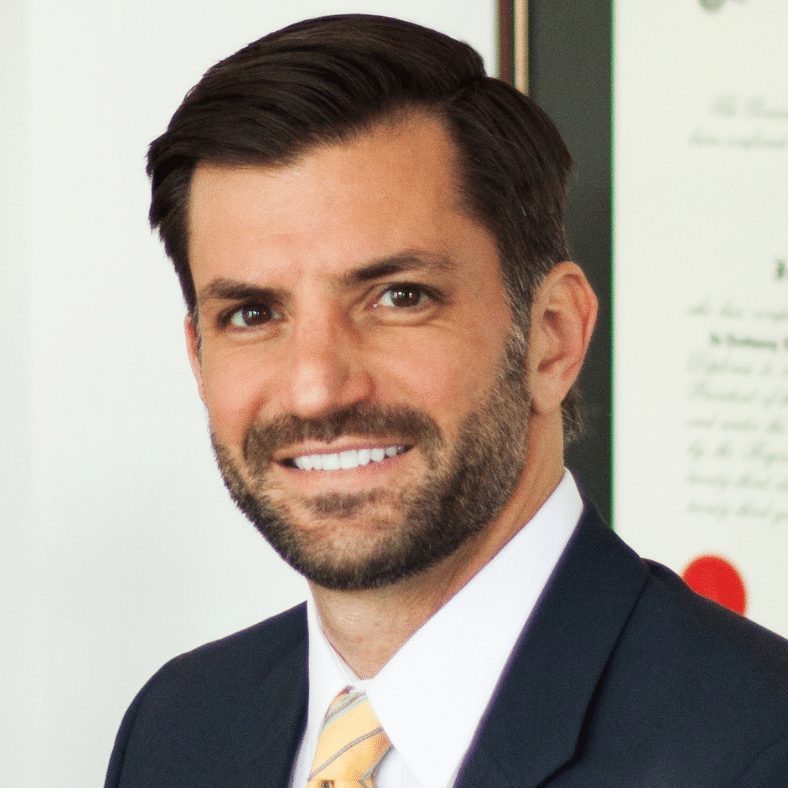
Joseph Gulino, MD

Yj Kim, MD
Begin Our Partial Hospitalization Program (PHP) in Los Angeles Today
Take the first step toward healing today by reaching out to our admissions team or verifying your insurance. Whether you’re exploring options or ready to begin treatment, we’re here to answer your questions, provide guidance, and help you find the path that’s right for you.
Call us now at 888-272-2062 or verify your insurance.
Frequently Asked Questions (FAQs)
Our partial hospitalization program (PHP) lasts between 30-60 days. That way, we can offer extensions to those who need additional support and longer programming.
After PHP, many clients move on to our intensive outpatient program (IOP).
IOP is similar to PHP in terms of programming. In other words, you’ll continue with the same type of group session and life skills training. However, you’ll be in treatment for far less time than PHP.
IOP programs occur in sessions that last about 3-4 hours for 3-4 days each week. This flexible scheduling includes evening options so that you can resume daily responsibilities to work, family, or schooling.
Yes, insurance covers some, most, or all of the costs of a PHP program.
Mental health services like PHPs are considered essential health benefits. However, individual coverage varies based on your plan and insurance carrier.
We accept most major insurance provides, including the following:
Take A Free Self-Quiz
Yj Kim, MD
Psychiatrist

Haroon Burhanullah, MD
Psychiatrist

Narine Babikian, MHA
Executive Director
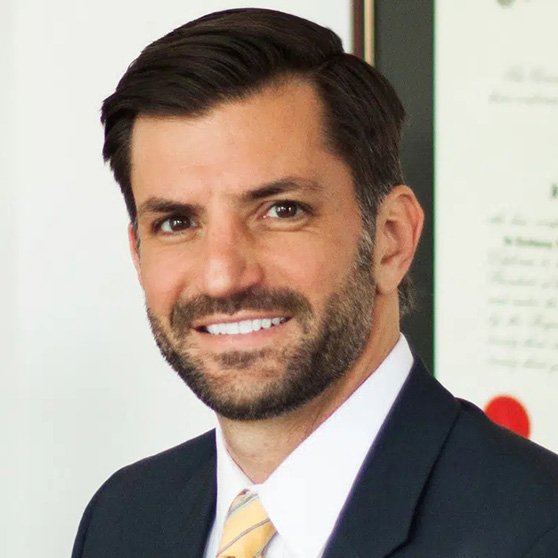
Joseph Gulino, MD
Psychiatrist
Table of Contents
We Help Clients Make Their Lives Better
Real Stories of Healing and Recovery at The Meadowglade
Posted onTrustindex verifies that the original source of the review is Google. Hello my safe place I’m levy Have so much to say about this place 🥰🔥🔥 But I want to share my experience with in Meadowglade after i finished the program and went back to the world Lots of places can give you a good safe space for your mental health But they specialize about making sure your mental health is better and all SET UP healthy when you are BACK in the world I give this place 💯 with everything But one thing I want to give my opinion on is If you do the work and be a healthy human It’s a must to SURRENDER and be ready to do the work because they will not let you go till your 💯 I want to thank with all my heart to all staff How they respected our religion and made sure I’m 💯 and feel like home Go and find out for yourself ❤️Posted onTrustindex verifies that the original source of the review is Google. The Meadowglade is precisely what I needed! If you’re not ready to fully engage in this process, you are wasting your time and money. I made a conscious decision to change, and while it didn’t work flawlessly every single day, I tackled the plateaus that made me question the process. Trusting the system became non-negotiable. I’ve spent a lifetime making poor choices, and I refuse to continue that pattern! If you're serious about achieving results, it begins with your commitment to yourself. Leave your ego at the door, dismantle the defenses you’ve built up, and do this for YOU, and nobody else! You must fully commit to this program and discard your baggage—now is the time to prioritize yourself!Posted onTrustindex verifies that the original source of the review is Google. Before coming here my depression and anxiety were all over the place. But they got it straightened out the first appointment. They really helped me thru a lot and helped me make some good changes in my life.Posted onTrustindex verifies that the original source of the review is Google. If you want assistance in overcoming an addiction, you should come to this location. It is highly recommended that you search them up so that you may also take advantage of the Meadowglade. The treatments offered by The Meadowglade were given the highest possible endorsement by her therapist.Posted onTrustindex verifies that the original source of the review is Google. New patients are welcomed with warmth by the staff, who go out of their way to ensure that they are comfortable and, more importantly, safe.Posted onTrustindex verifies that the original source of the review is Google. The staff at the Meadowglade made sure that I had the help I needed and was there for me whenever I needed them. When I came here for the first time, I had high hopes that everything would go off without a hitch.Posted onTrustindex verifies that the original source of the review is Google. After I described my situation to them, along with the steps that needed to be taken before I could start taking medication, they volunteered to help me. Fantastic physicians! Wonderful people who are also extraordinarily compassionate doctors.Posted onTrustindex verifies that the original source of the review is Google. While I knew I was not qualified to self-diagnose, I knew enough to know something was just not right. I have always been a social butterfly. Over the last couple of months I had no energy for the activities I usually find such pleasure in and no desire to see my friends. Coming to The Meadowglade has really helped me to get a handle on the inner issues that caused the change.Posted onTrustindex verifies that the original source of the review is Google. Interning here has been so beneficial to me. The care with which I am being mentored is such a clear indicator as to why the facility is so successful with its patients. I will take away so many skills for my future career. If I’m lucky enough, maybe that will be here.